Core Factors to Improve the Impact of Telepresence Platforms
Remote communication solutions have grown into an vital tool for companies, schools, and groups aiming to preserve connectivity and collaboration across locations. To achieve these platforms perform effectively, numerous hardware and functional components must be strategically addressed. The basis of high-performing virtual presence is built on reliable devices, including quality cameras, crisp voice setups, and reliable screens. These tools ensure that users can see and listen to each other with accuracy, which directly impacts engagement and comprehension. Moreover, the implementation of advanced audio devices and noise-cancellation technologies assists eliminate background interference, enabling interactions and virtual interactions to run effectively.
Likewise important is the connectivity infrastructure that underpins remote communication systems. High-speed networks with low delay are vital for supporting uninterrupted visual and audio feeds. Entities must also implement secure connection standards to protect confidential data during telepresence sessions. Network allocation and network redundancy additionally support consistent performance, reducing downtime that can reduce productivity. By focusing on consistent and resilient network connections, telepresence platforms can provide dependable functionality that supports the requirements of both speakers and users.
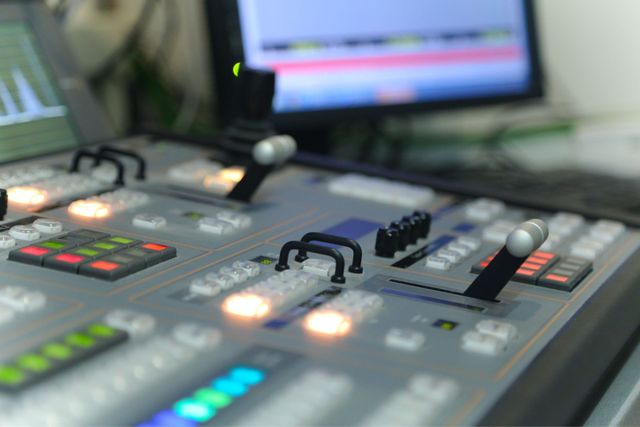
Application and platform functionality play informative post a central role in improving virtual presence. Features such as interactive tools, visual sharing, and virtual boards allow users to interact more effectively. Accessible dashboards are also critical, allowing individuals with diverse experience to interact smoothly. Integrations with time-management platforms, task management tools, and file systems can streamline virtual meetings and avoid the need for complex organization. Overall, these digital features enhance the interaction quality, turning telepresence more than just a meeting but a engaging team space.
Participant aspects and education are often neglected but are essential to the success of telepresence tools. Users must understand standards for video setup, lighting, and microphone use to optimize viewing quality and sound quality. Training sessions can also prepare participants with software features, enabling them use complex interfaces smoothly. Teaching proper etiquette during online interactions, such as silencing when not talking and maintaining visual attention, enhances professionalism and conduct. By combining system readiness with training, entities can enhance the impact of their virtual communication systems.
Finally|Ultimately|In conclusion, regular monitoring and enhancement are necessary to maintaining take a look at the site here remote platform functionality. Analyzing input from participants, monitoring solution operation, and periodically upgrading hardware and digital systems ensure that the solution remains high-performing and responsive. Data analysis systems can help pinpoint recurring issues, while updates in technology can provide new capabilities that enhance telepresence. By committing to regular evaluation and enhancement, entities can deliver a effective virtual interaction experience, supporting connectivity, collaboration, and output across remote teams.